
Zenobia Lee
Démesuré
February 21 - March 28, 2026
Démesuré: that which outstrips ordinary proportion—the exaggerated, the immoderate, the unruly, the immeasurable, the unreasonable, the unrestrained.
Sea View is pleased to present Démesuré, the debut solo exhibition of sculptor Zenobia Lee (b. 1996, New York, NY). As an extension of Démesuré, Sea View will present a solo booth of works by Lee at Frieze Los Angeles (stand F05).
Zenobia Lee irradiates the perceptual crisis of absent-presences. Though dominos, parasols, drapery, flora, and stilts might otherwise seem trivial, immemorial figures in the history of Caribbean imperialism, Lee insists on monumentalizing these subordinate symbols at queer scales in order to accent their subversive capacities. Rather than imbue these objects with a fantastical potency, Lee combs the archive of colonial modernity for trace records of Caribbean and black diasporic ephemera which have enabled the absurd: subsistence, kinship, and cultural life against hegemonic forces of violence.
Engaging Jamaican cultural theorist Sylvia Wynter’s 1971 essay “Novel and History, Plot and Plantation,” Démesuré insists that the alienation of life and land by colonial capitalist dominion simultaneously occasions the conditions for its own undoing; the plantocratic zone of market exchange has been equally marked by slave provision grounds from which both yam and guerilla cultural forms sprouted. From the roots of the market economy, these unlikely emergences remind, “we are all, without exception still ‘enchanted’, imprisoned, deformed and schizophrenic in its bewitched reality.”
The sculptural work of Démesuré converges around the matter of chattel slavery’s enduring capacity for context distortion. Inasmuch as vulgar realism has been exhausted by the unfathomable feats entailed in surviving imperial mastery, surrealism offers the uncanny. Plays on scale through monumentalization and massification are the artist’s means of emphasizing the contingent salience of the minor objects and materials at hand. Expressed by any other means, these objets trouvés become less palpable as insurgent forces. Rather than an unbroken continuity from prototype to reiteration, Démesuré presents cultural mimesis as spasmodic, open as much to synthesis as it is to deformation and rupture. Iconic fixtures of coloniality—architecture, privatized land, aesthetic sensibilities—here become penetrable, withered, rusted, overgrown, hybridized, wavering in visual weight and political force.
This solo exhibition confronts the uneasy and at times absurd tenor of marginal folk cultural responses to conditions so destructive of context as to broach the phantasmagorical. As such, Lee wrenches the windmill as an icon of colonial might and optimized slave labor from painter William Clark and inquires how its material and metaphorical logics have been seized by the likes of Moko Jumbie to less imperiling and more autochthonous ends.
Though sculptures finished in rust patina might suggest the potential disfigurement of structural violence from within the course of its own cyclical reproduction, further questions linger in the aluminum casting of select pieces on view: As imperial markets continually and resolutely subsume evermore peripheral landscapes and means of cultural production, what, if anything, will be our creative bequeathment to the future? Do we have, within the frame of atmospheric violence, the material and aesthetic means for our own perdurance? As public, domestic, and other private spaces free from surveillance dwindle, Lee returns viewers attention to the other side of the curtain, where the unmasterable ingenuity of the wretched and their unceded faculty for beauty lies. Jutting from walls, hanging overhead, the perspectival intrigue of Démesuré lies in its capacity to implicate audiences in the dizzying wars of position that make Lee’s subject. The featured works rest in a paradoxical milieu within which colonial violence is not predestined by way of repetition for consummation, but instead risks conceptual exhaustion with each iteration.
Zenobia received her MFA at the University of California Los Angeles (2025) after graduating with a BFA from Oberlin College in Ohio (2018). She is the co-founder of Sucking Salt—a collaborative research project focused on archiving Caribbean architecture and aesthetics. In addition to her solo exhibition at Sea View, Zenobia will concurrently present work at Frieze Los Angeles 2026. She has previously exhibited in a two-person show at Deli Gallery in New York (2024). Recent group exhibitions include Weeksville Heritage Center (2026); Chozick Family Art Gallery in New York (2025); Culver Center of the Arts in Riverside, CA (2024); Rachel Uffner in New York (2022); and HOUSING in New York (2020). Her work has also been entered into the permanent collection of North Carolina State Historic Sites and Properties.
–David Carré
Press
W Magazine “What Not to Miss at Frieze Los Angeles 2026” by Kat Herriman
Cultured “The 19 Gallery Shows You Shouldn’t Miss During Frieze Los Angeles 2026”
Los Angeles Times “Everywhere you need to be during Frieze L.A.” by Evan Nicole Brown
Financial Times “No queueing please! How to keep art world VIPs happy” by Melanie Gerlis
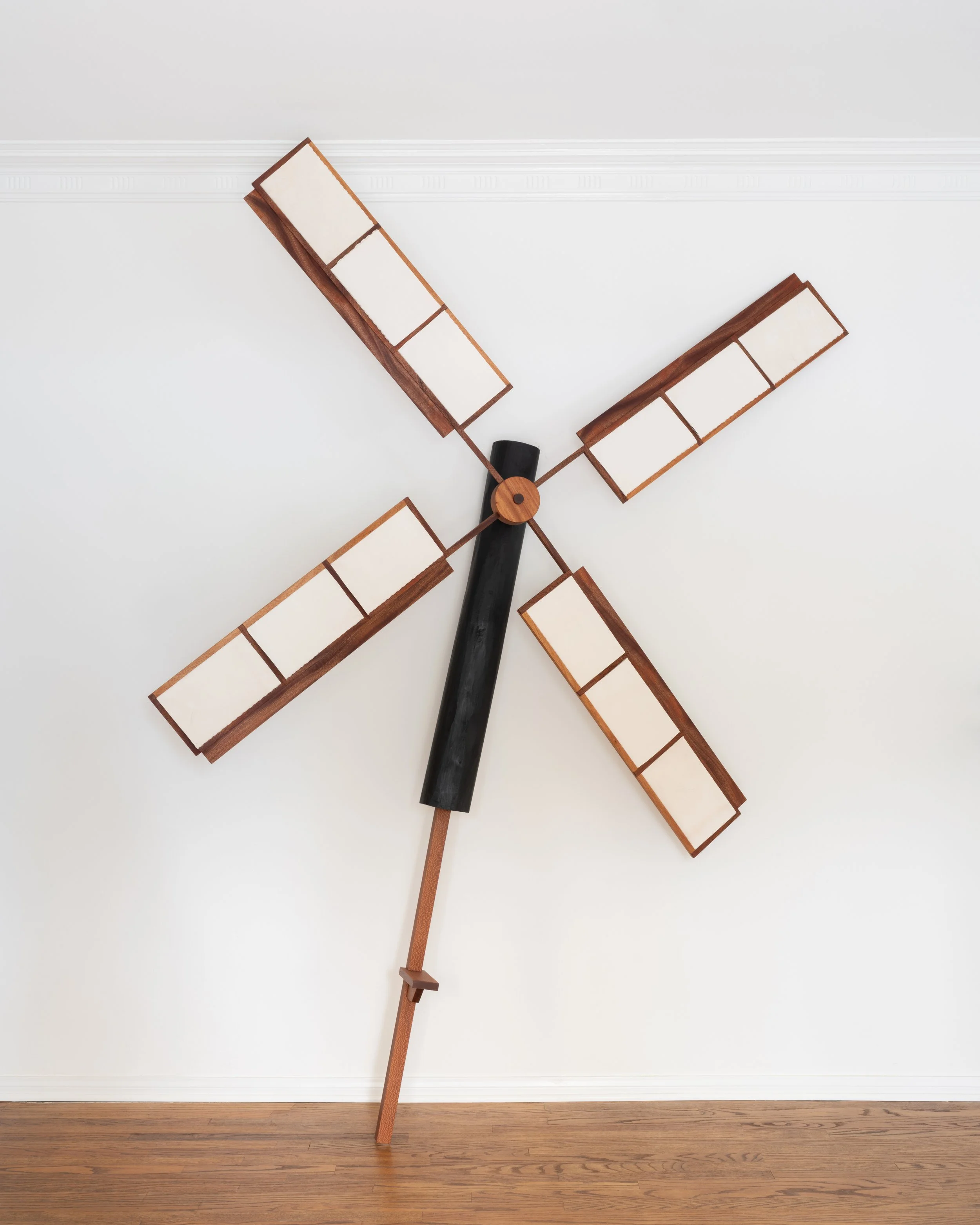
Zenobia Lee, "Moko," 2026 Carved ebony, mahogany, goat leather panels 108 x 86 1/2 x 8 in (274 1/3 x 219 3/4 x 20 1/3 cm)
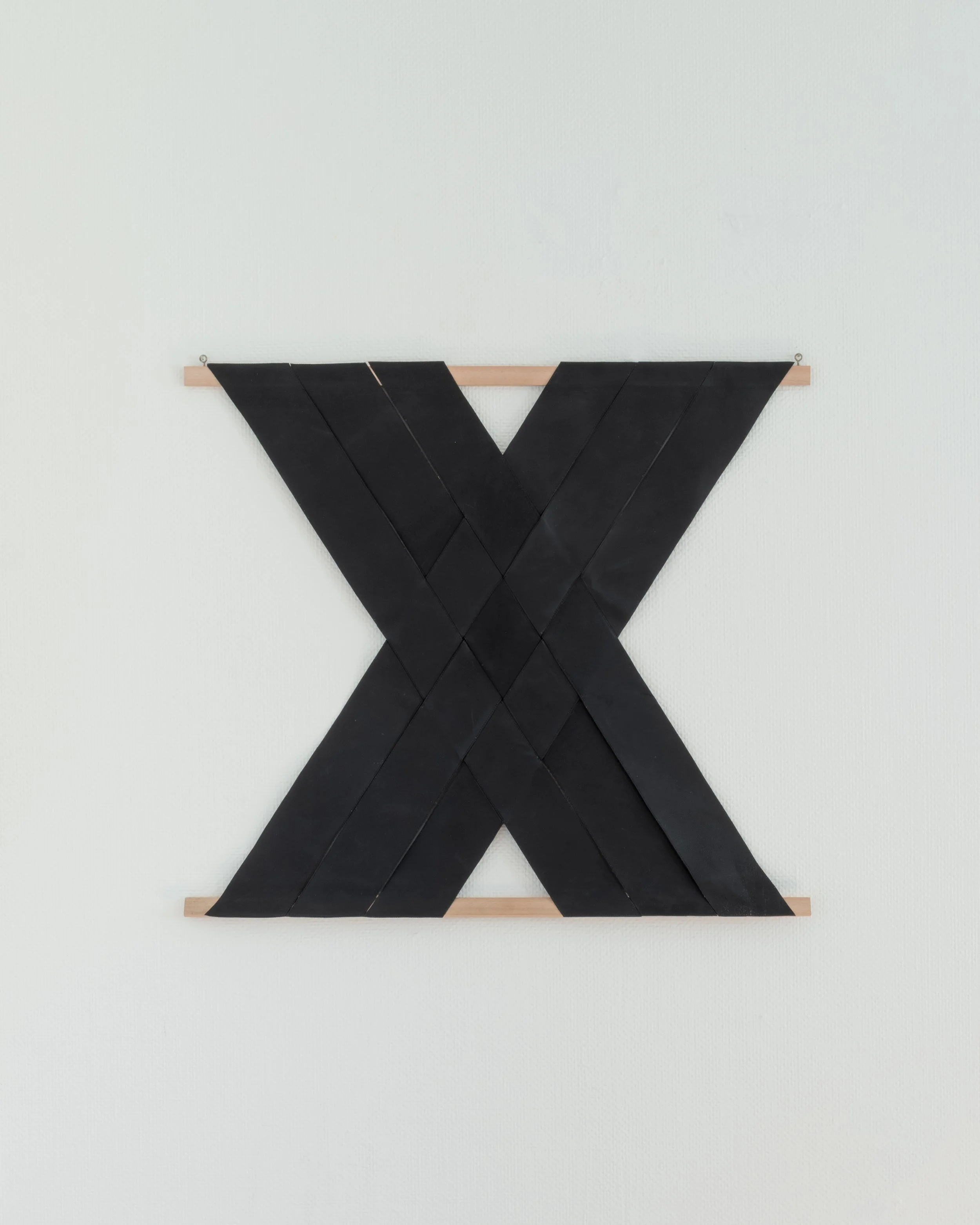
Zenobia Lee "Mise en scéne," 2026 Dyed goat leather, oak wood 26 1/2 x 26 1/2 in (67 x 67 cm)
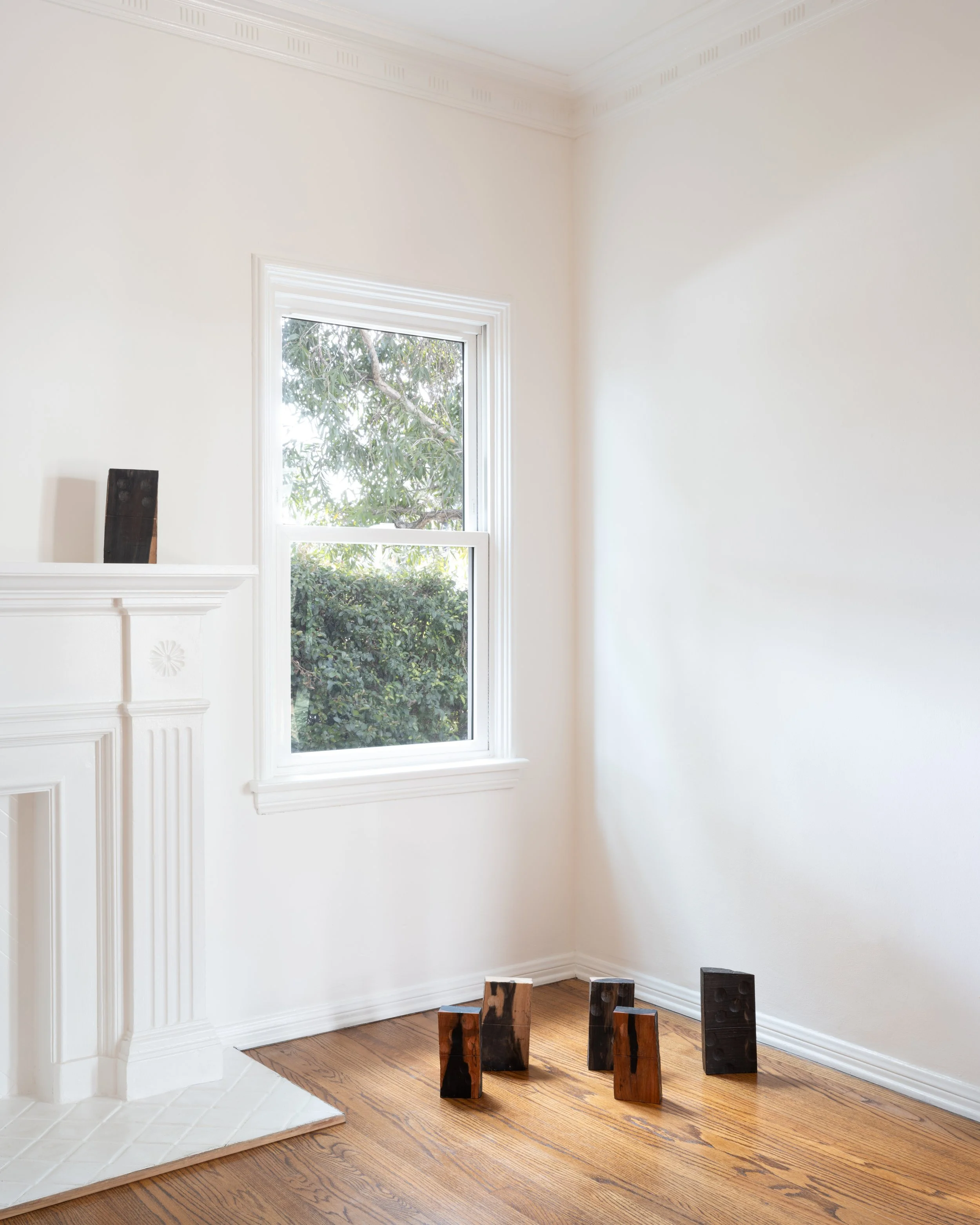
Zenobia Lee "Story Book I-VI," 2026 Hand carved ebony Dimensions variable
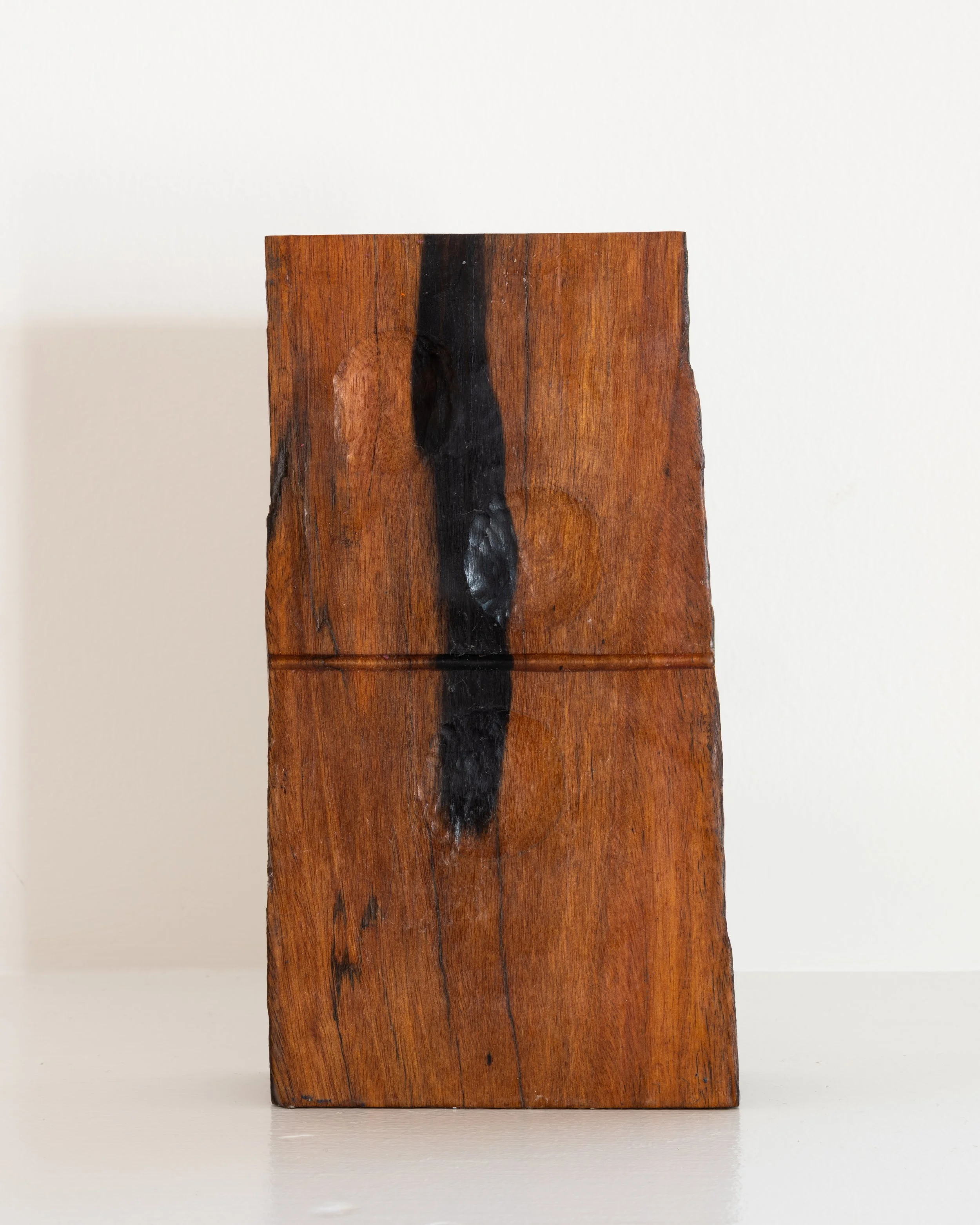
Zenobia Lee "Story Book IV," 2026 Hand carved ebony 8 x 4 1/2 x 2 in (20 x 11 x 5 cm)

Zenobia Lee "Story Book I," 2026 Hand carved ebony 9 x 4 1/2 x 2 in (23 x 11 x 5 cm)
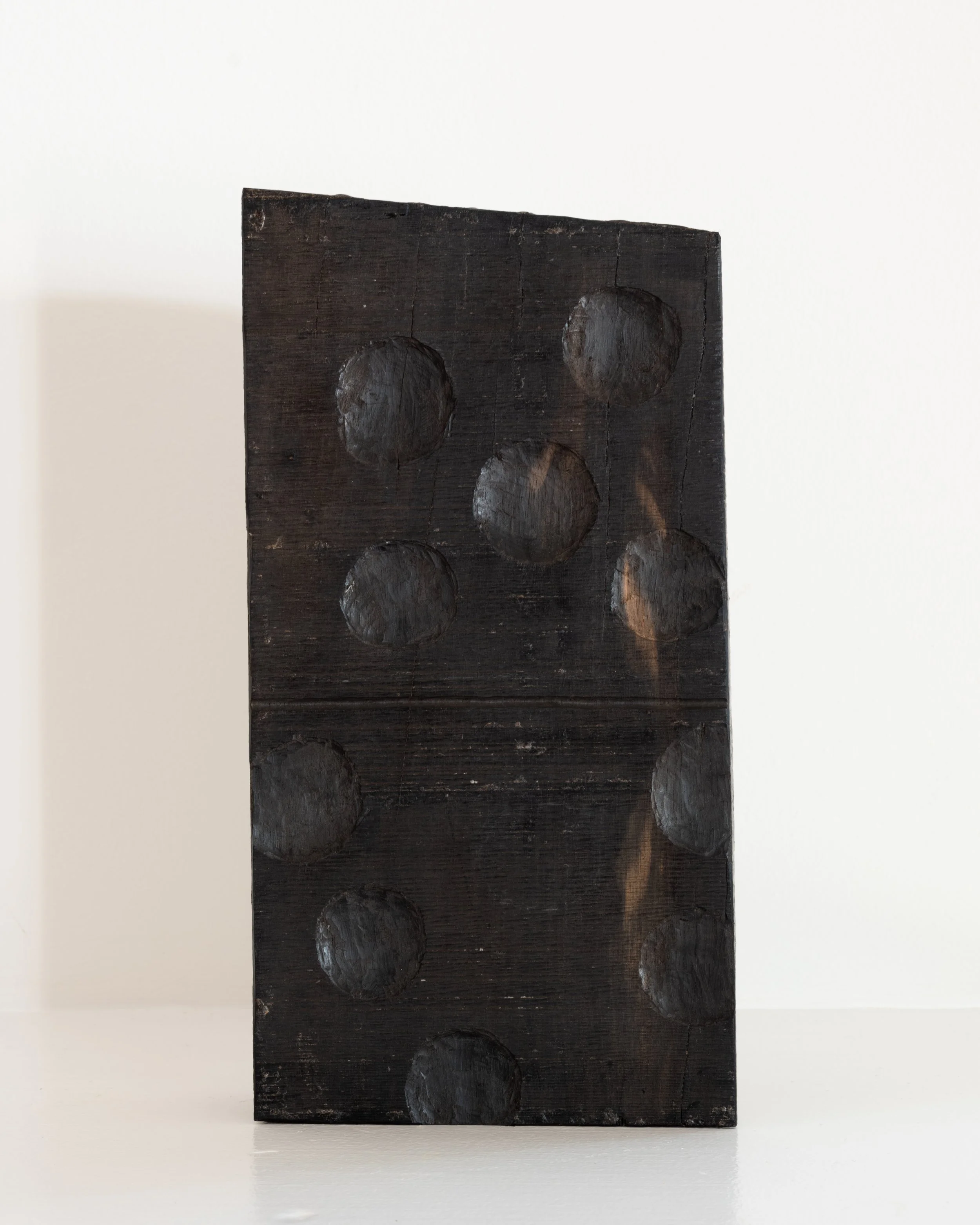
Zenobia Lee "Storybook VI," 2026 Hand carved ebony 10 x 5 1/4 x 2 in (26 x 13 x 5 cm)
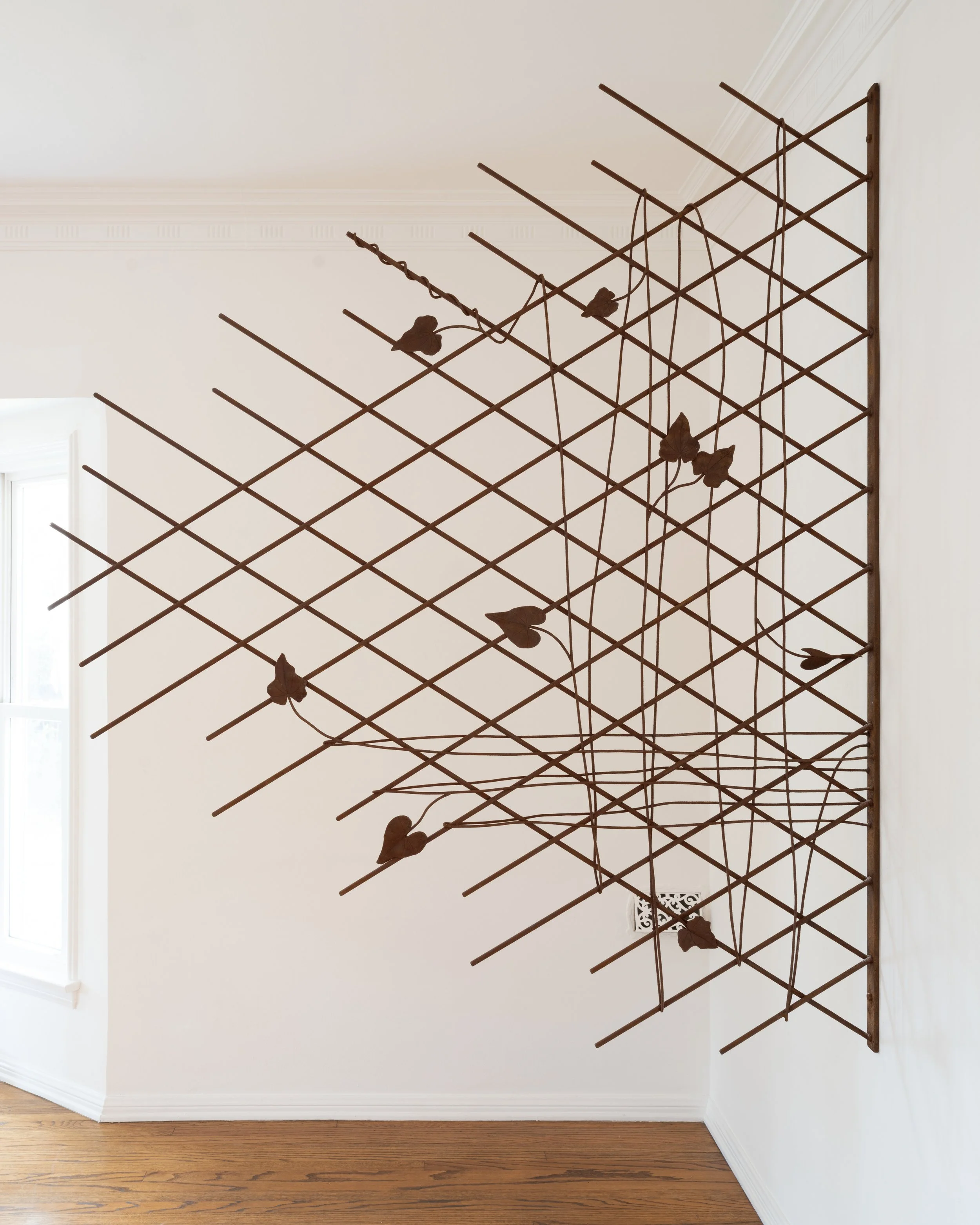
Zenobia Lee "Novel and History (plot)," 2026 Rusted steel 63 x 74 in (160 x 188 cm)
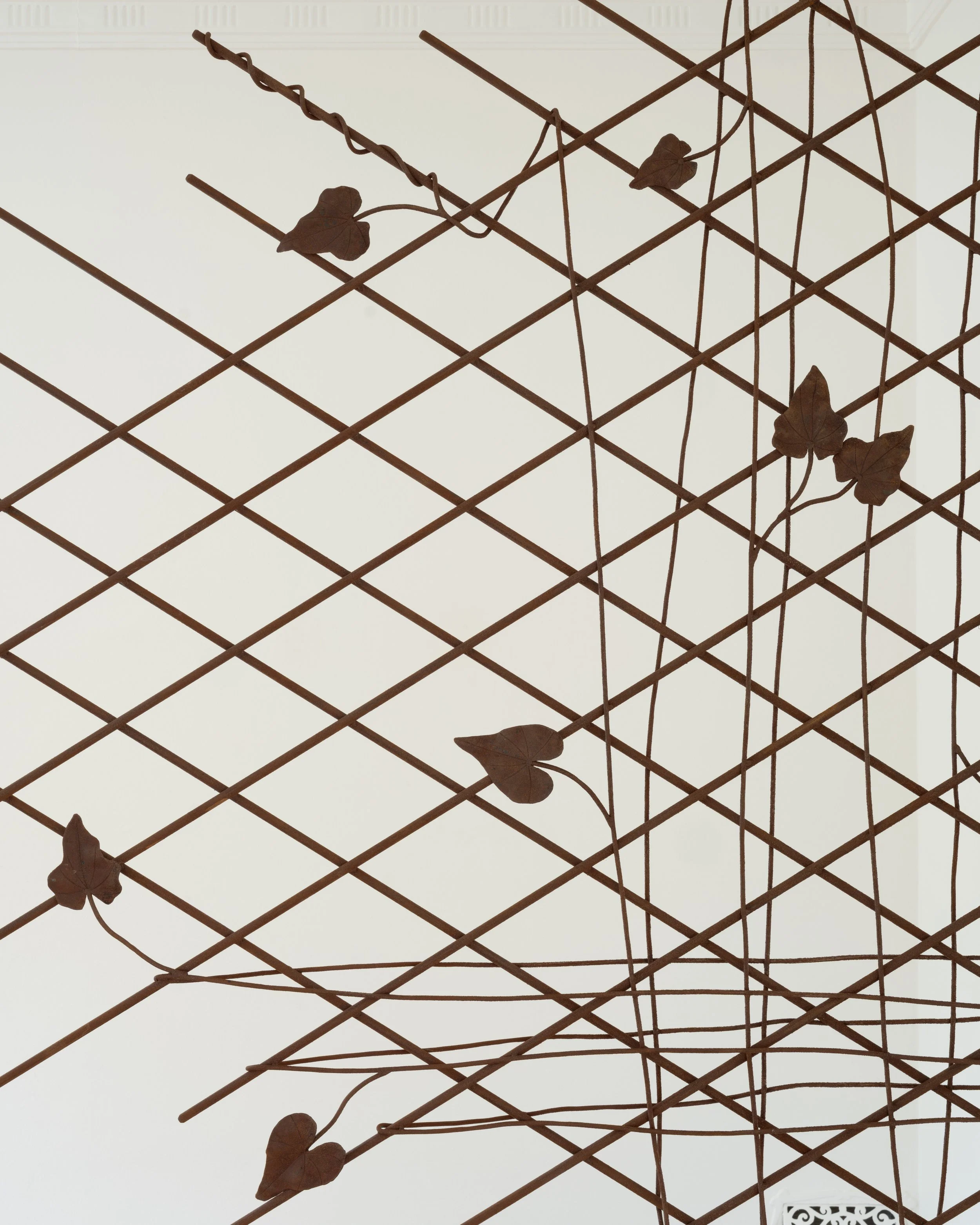
Detail of "Novel and History (plot)," 2026
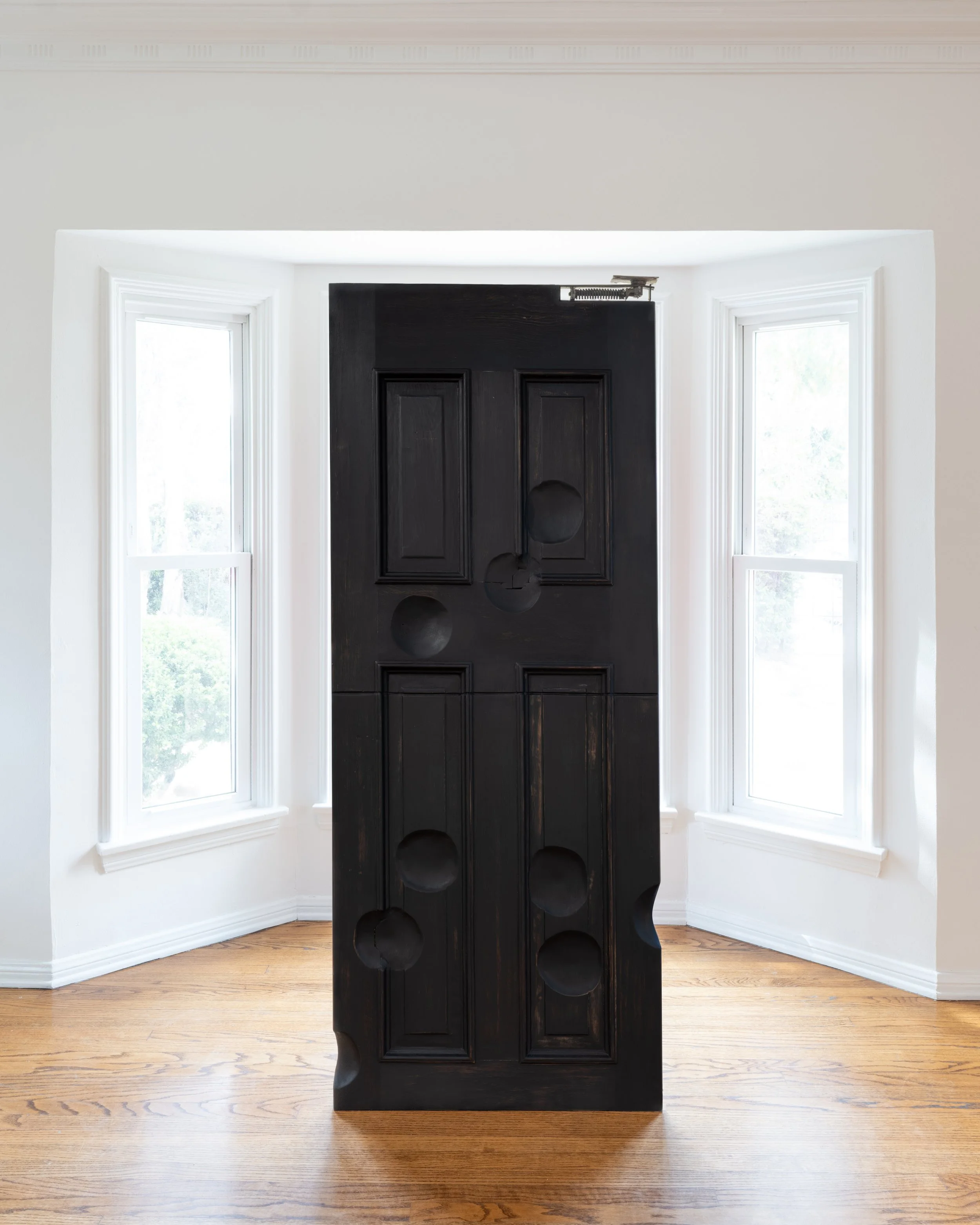
Zenobia Lee "Melancholia," 2026 Ebonized pine, steel stand 79 1/2 x 25 x 1 1/2 in (202 x 63 1/2 x 4 cm)
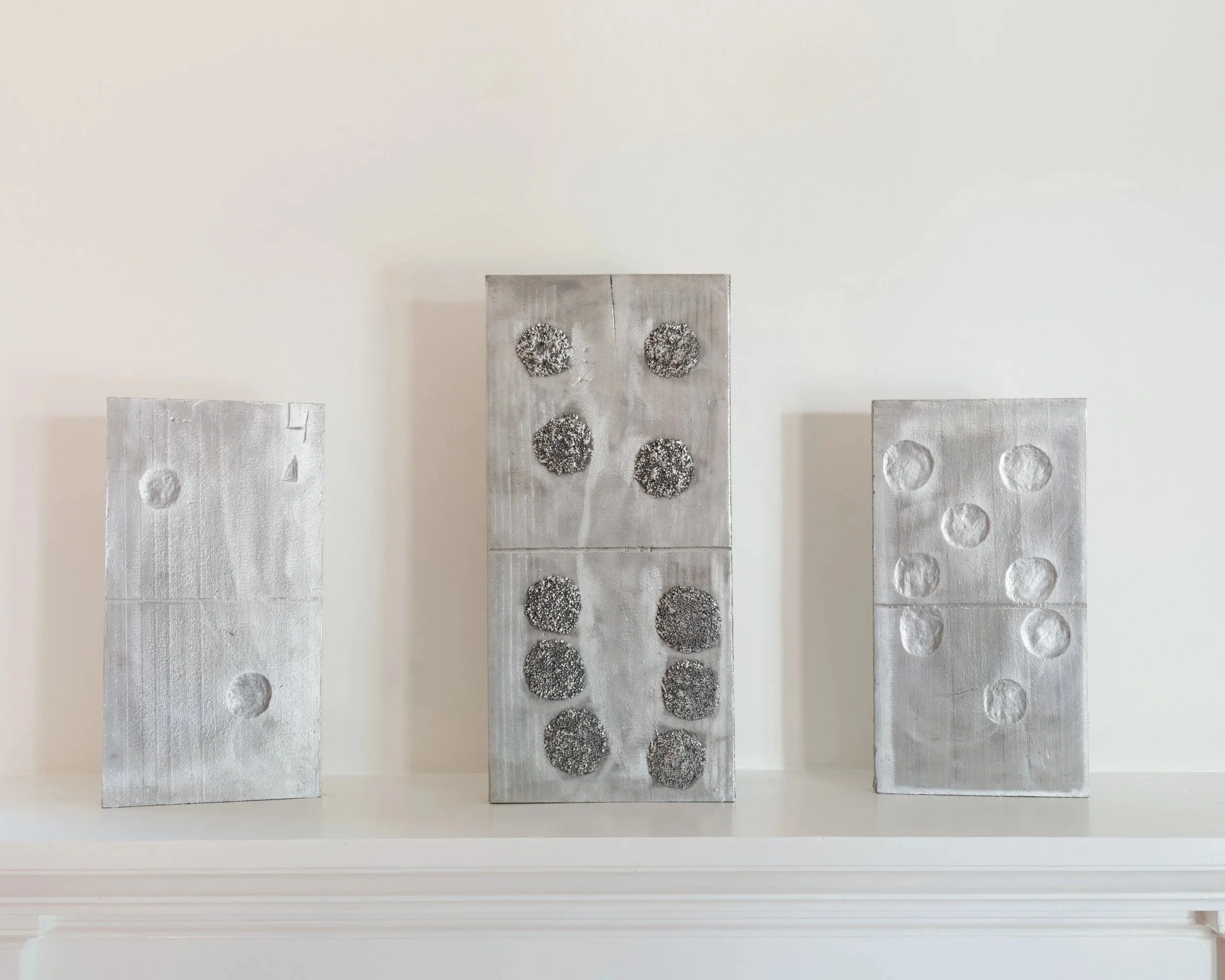
Zenobia Lee, "Aluminum Domino II" "Aluminum Domino III" "Aluminum Domino I"
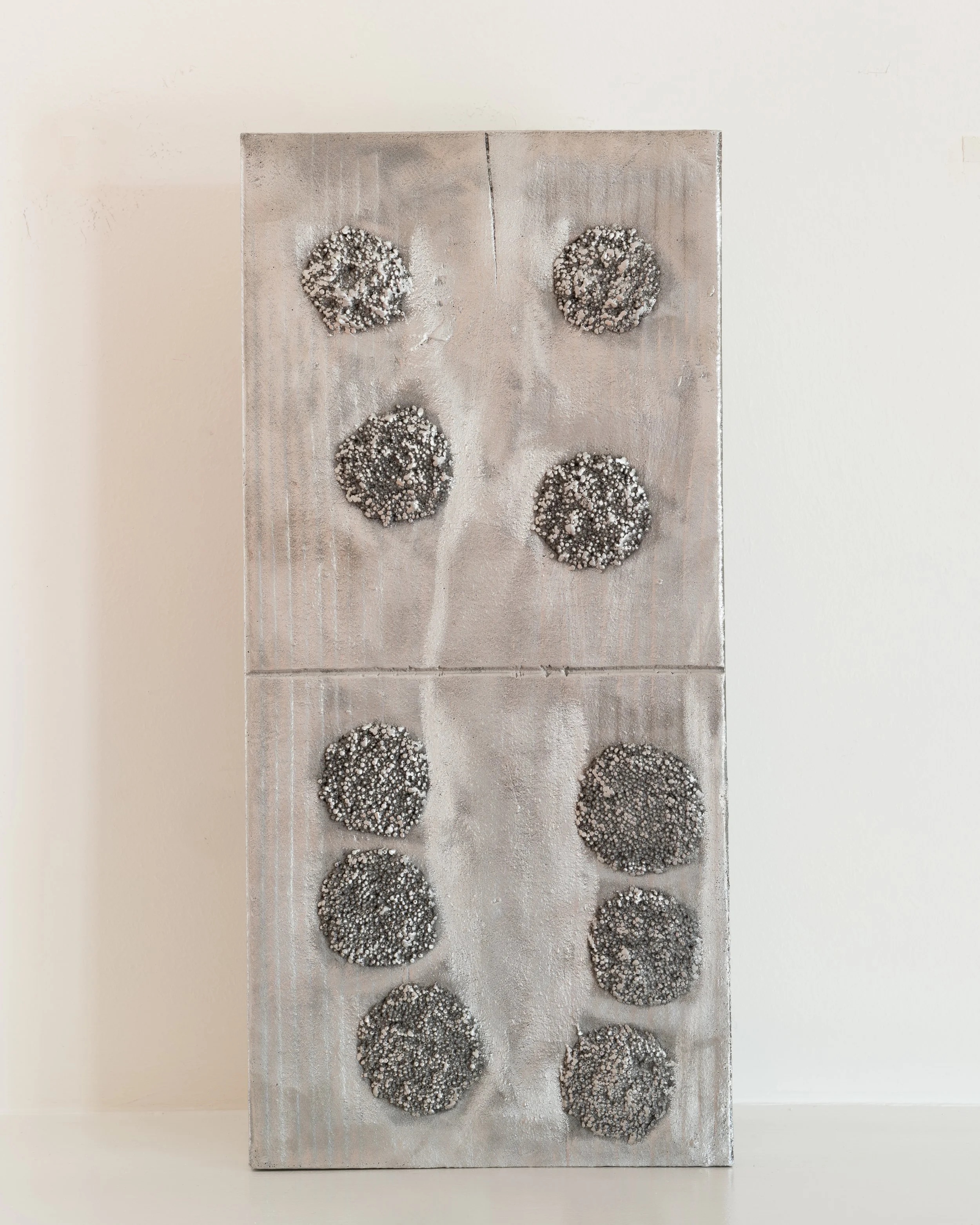
Zenobia Lee "Aluminum Domino III," 2026 Cast aluminum 20 x 9 x 1 3/4 in (50 3/4 x 23 x 4 1/2 cm)
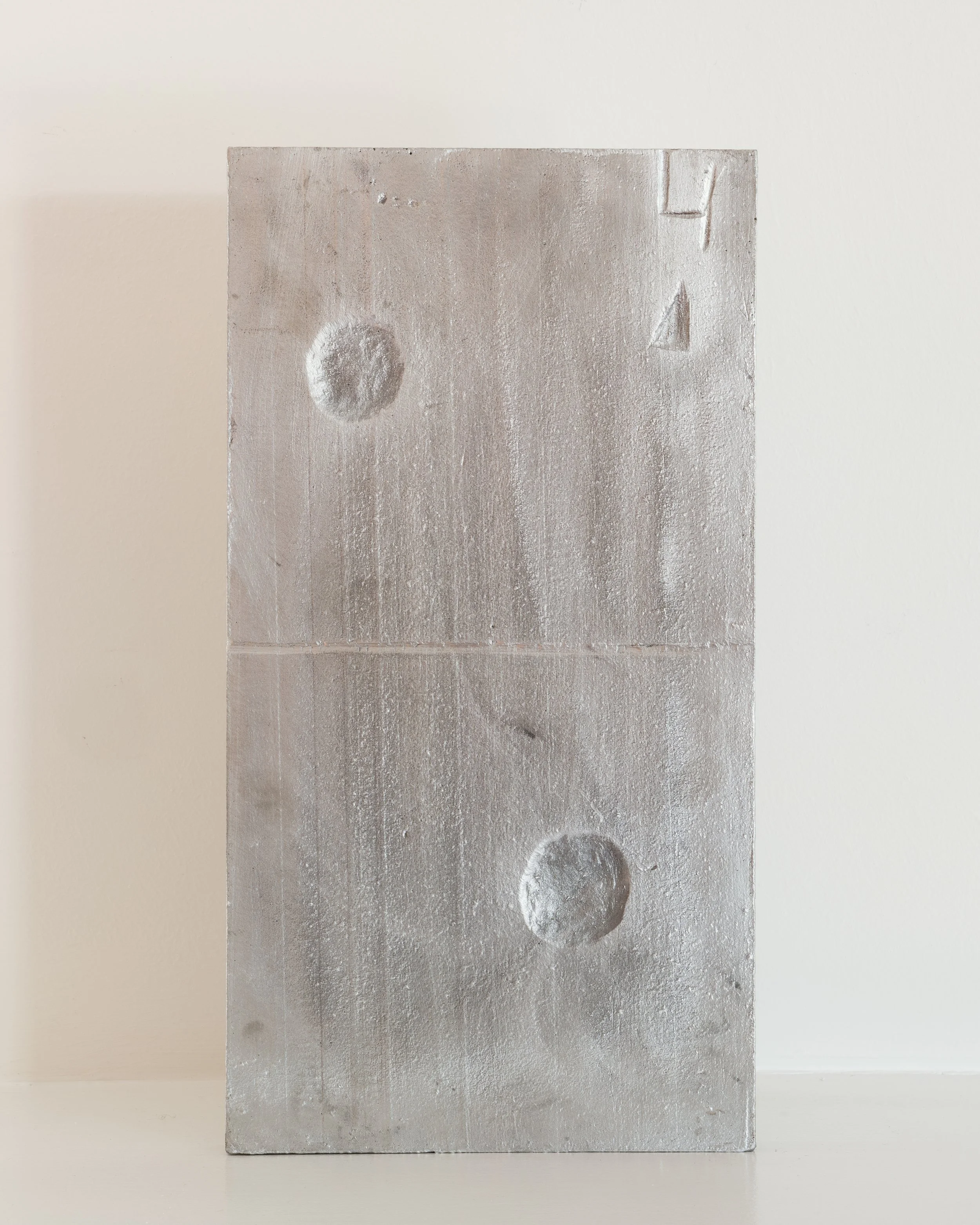
Zenobia Lee "Aluminum Domino II," 2026 Cast aluminum 15 x 8 x 1 in (38 x 20 1/3 x 2 1/2 cm)
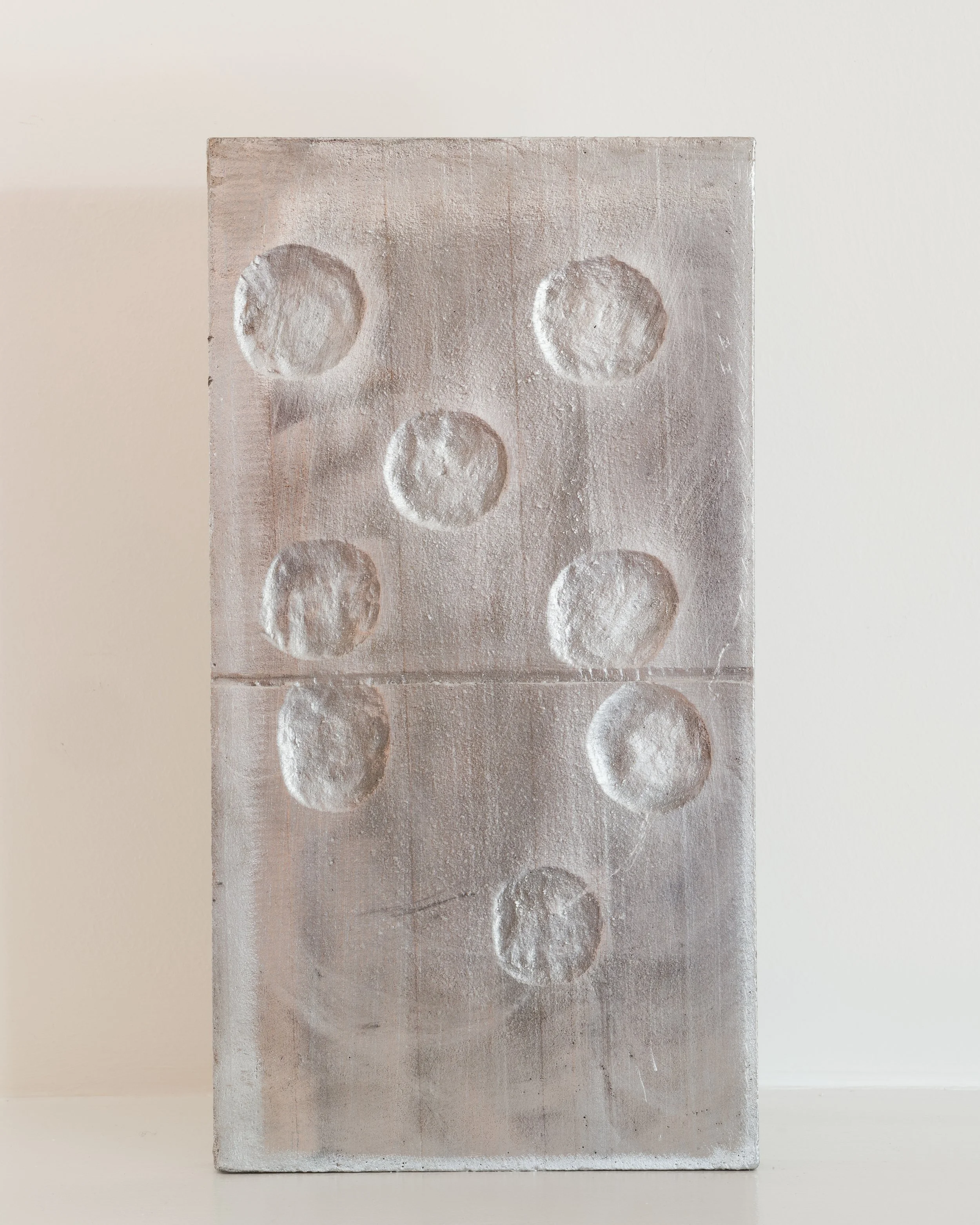
Zenobia Lee "Aluminum Domino I," 2026 Cast aluminum 20 x 9 x 1 3/4 in (50 3/4 x 23 x 4 1/2 cm)
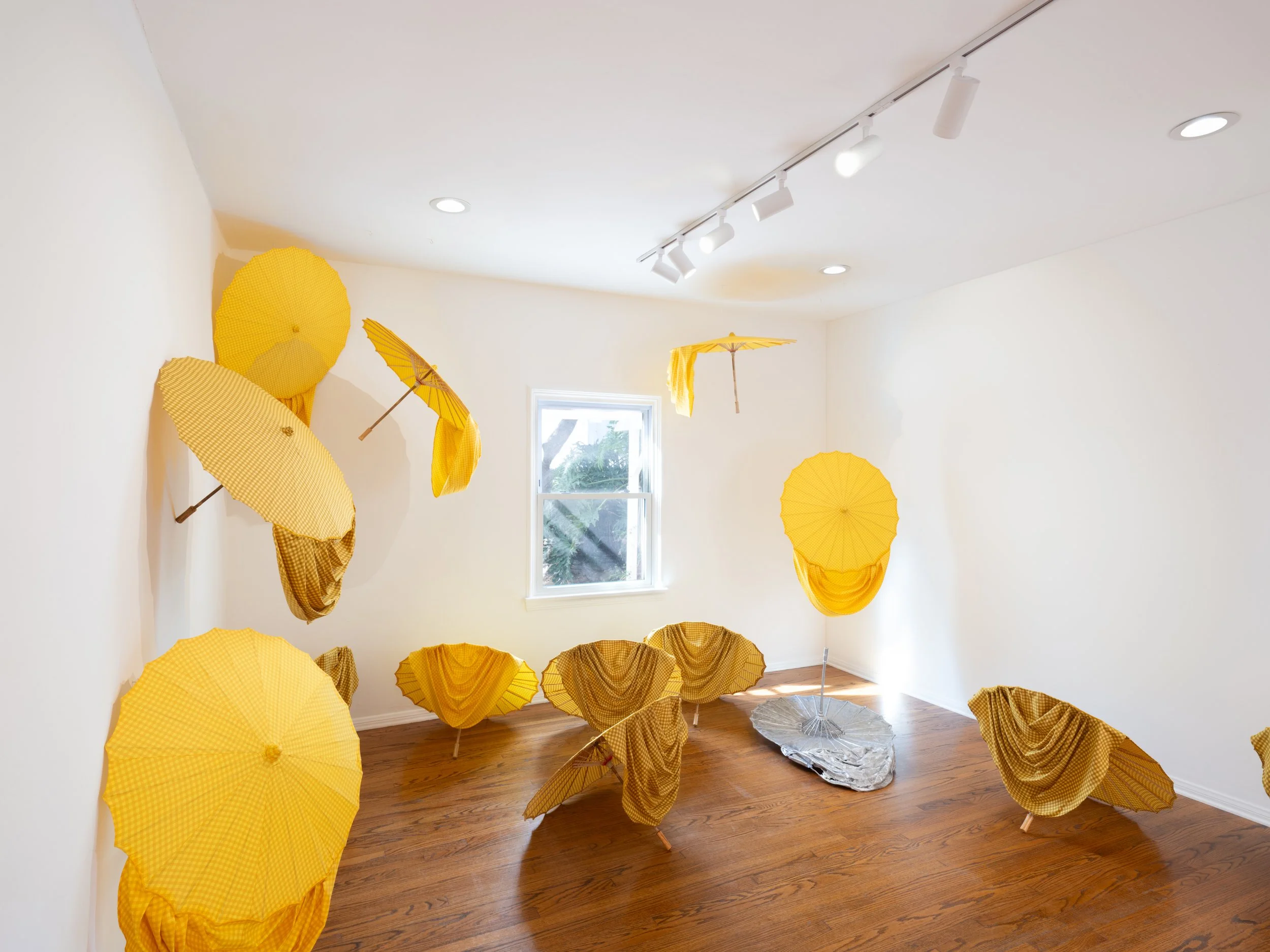
Installation view, "My Father have a house up on one post," 2025
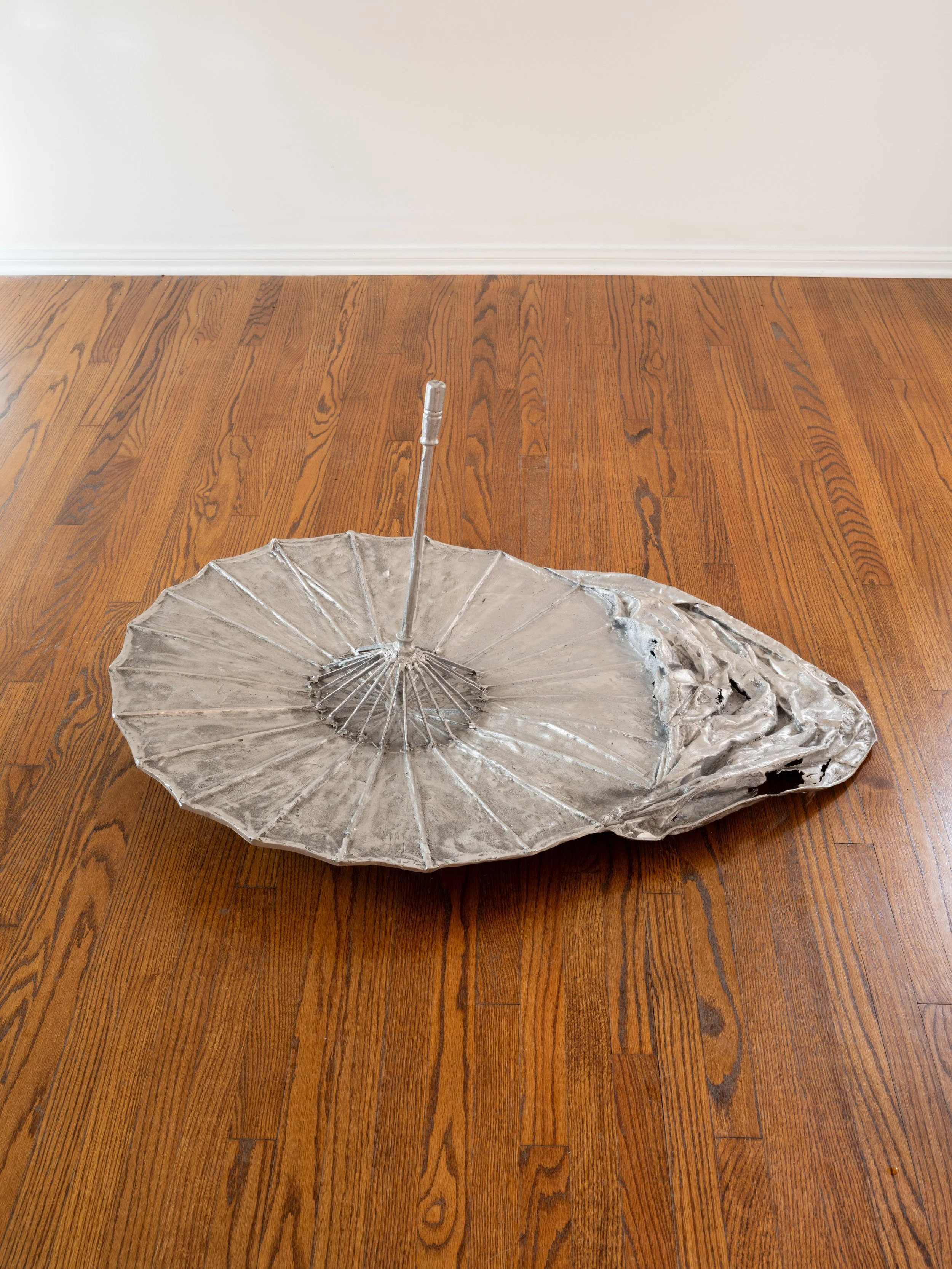
Zenobia Lee "Red Earth," 2026 Cast aluminum 42 x 19 in (107 x 48 cm)
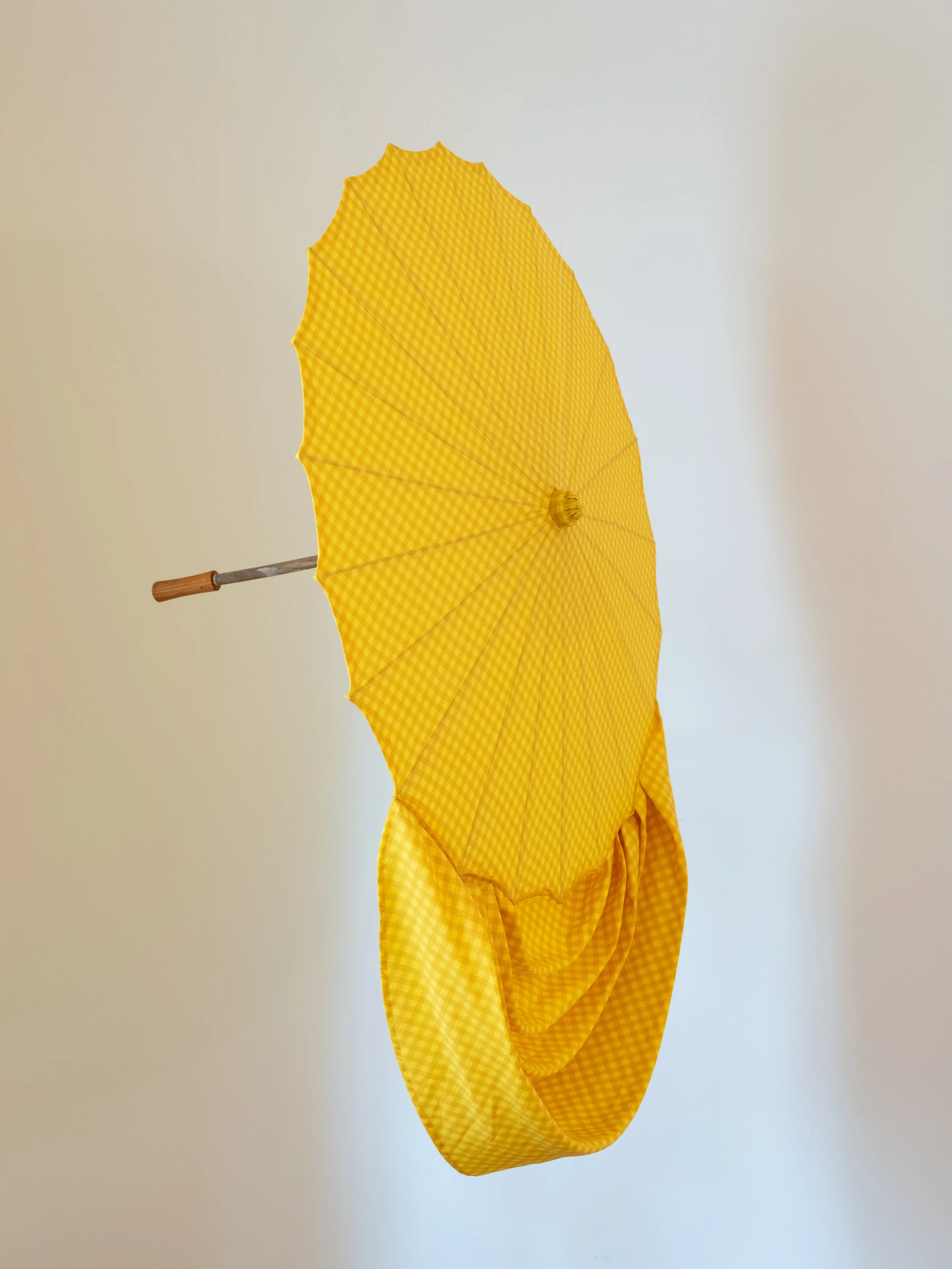
Zenobia Lee "My Father have a house up on one post," 2025 Gingham fabric from Bahia, Chinatown parasol armature 32 1/2 x 32 1/2 x 30 in (83 x 83 x 76 cm) 1 of 50 (unique)
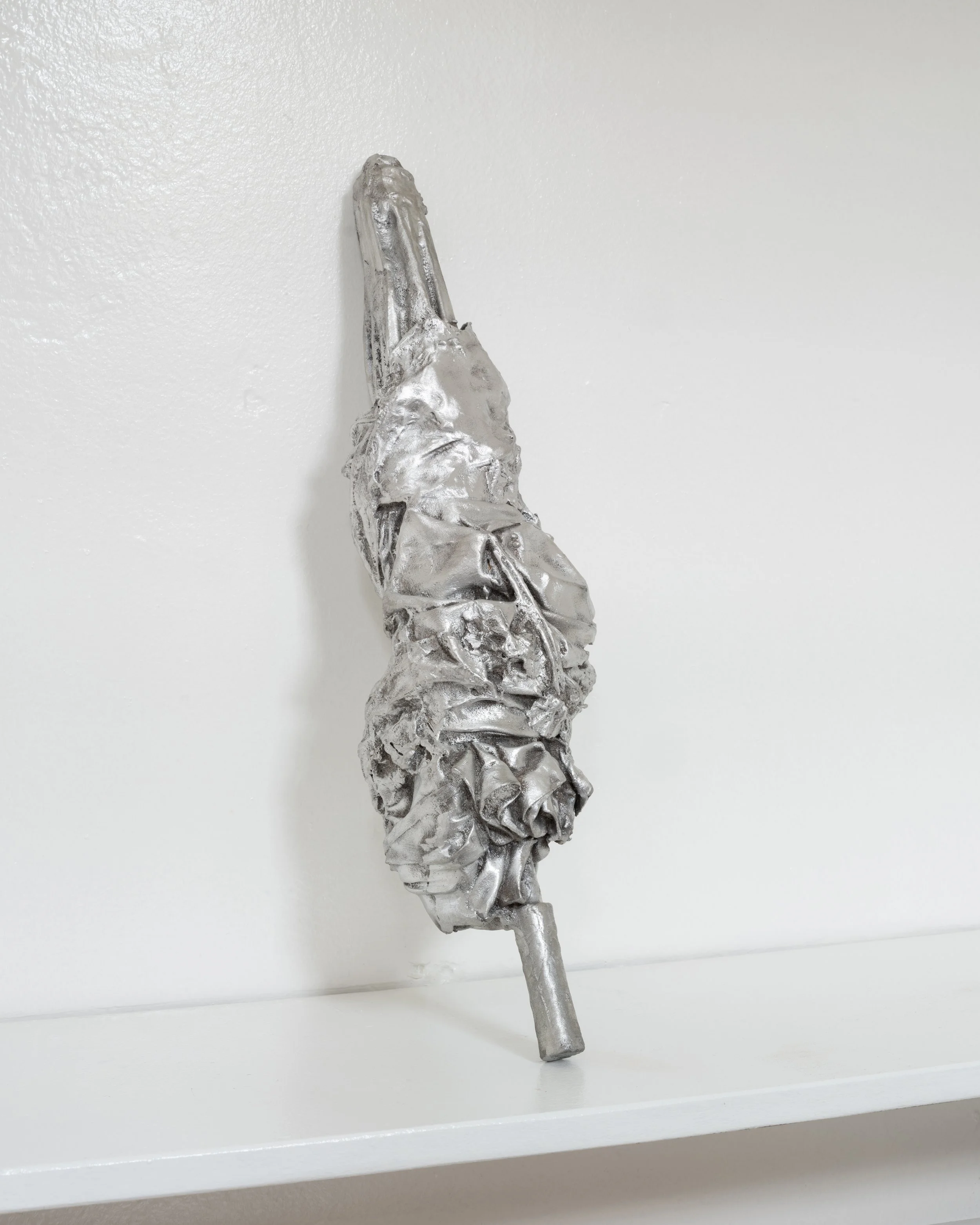
Zenobia Lee "My Father have a house up on one post - clenched," 2026 Cast aluminum 21 1/2 x 5 x 5 in (54 1/2 x 12 3/4 x 12 3/4 cm)